

The Secret Lives of Metals
Fifteen elements, from a Saxon miner's curse-word to a Norse goddess, each with a strange origin story and a real job in a modern superalloy. Explore where they came from, and how Langley uses them today.
Download the booklet (opens in new tab)From a Saxon miner's curse-word to a Norse goddess of beauty, every element on this list carries a stranger history than the alloy it ends up in. Some were feared, some were mistaken for something else entirely, one was named after the Devil. Here is where each of Langley's core alloying elements came from, and the modern grade it helps make possible today.

Cobalt - The Goblin’s Curse
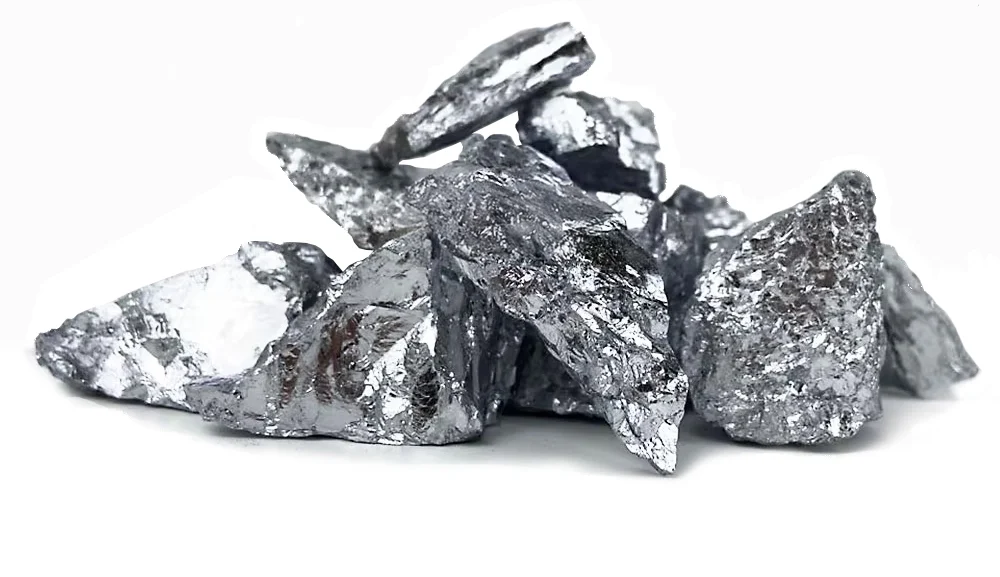
Medieval German miners dreaded a deceptive ore that glittered promisingly but produced neither silver nor copper when smelted, only poisonous fumes and useless slag.
They blamed underground goblins known as "kobolds," mischievous sprites believed to steal valuable metal and leave toxins behind. The ore became known as Kobold, and by the 1500s the word had evolved into "cobalt" across European mining regions.
The beautiful deep-blue glass, smalt, made from this ore had been used since ancient Egyptian times, but no one realised a new metal was responsible. In 1735, Swedish chemist Georg Brandt systematically investigated the blue colour, proved it came from an unknown element rather than bismuth or arsenic, and formally announced the discovery of cobalt, deliberately retaining the miners' old curse-word as its name.
Cobalt quickly became prized for permanent blue pigments in ceramics and painting, for high-strength magnets when alloyed with iron and aluminium (Alnico), and as a critical component in superalloys and battery cathodes.
Today, cobalt quietly strengthens modern alloys, including Inconel® 718, 625 and 725, and selected marine and chemical grades, providing high-temperature strength, corrosion resistance and wear performance.
Interestingly, in some applications, particularly nuclear reactors, cobalt content is strictly limited because neutron bombardment turns its isotope Co-60 into one of the most intense gamma-ray emitters known, a final, radioactive revenge from the goblin.

Chromium - The Colour Maker

In 1797, French chemist Louis Nicolas Vauquelin discovered a brilliant new metal from bright red Siberian crocoite ore.
He named it chromium after the Greek word chroma, meaning colour, because almost every chromium compound displays vivid hues: red, green, yellow, orange and violet. Its vibrant chemistry captured the imagination of early scientists and artists alike.
Chromium's true magic lies in its ability to protect metals. When added to iron, it allows stainless steels to form a thin, self-healing oxide layer that makes them almost immune to rust in air and water, revolutionising construction, shipbuilding, and industrial equipment.
Beyond alloys, chromium has coloured human history: the rich green of emeralds, the yellow of school buses, and the mirror-like shine on classic car bumpers all owe their brilliance to chromium.
Today, chromium continues to quietly shape modern life. It strengthens duplex and super duplex stainless steels, including Ferralium® 255, where it enhances corrosion resistance in marine and chemical environments.
Its colourful compounds are still used in pigments, dyes and plating, proving that this metal, first admired for its brilliance, remains as essential and versatile as ever.

Iron - The Ancient Backbone

Iron has been known to humans for at least 5,000 years, with its Latin name ferrum linked to ancient words meaning "strong" or "vigorous" in Sanskrit and Old English.
The earliest iron objects were made from meteorites long before smelting was invented around 1200 BCE in the Near East. This discovery sparked the Iron Age, replacing bronze and transforming warfare, agriculture and construction.
Early blacksmiths quickly learned that heating and hammering iron could shape it into tools, weapons and armour, giving societies a decisive technological advantage. Some iron objects from centuries ago still survive, most famously the massive iron pillar of Delhi, built around 400 CE and remarkably rust-free thanks to its high phosphorus content.
Iron remains fundamental to modern civilisation. It is the primary element in stainless, duplex and super duplex alloys, including Ferralium® 255, 2205, 2507 and S32760, as well as nickel alloys such as 718 and 625. Its mechanical strength, formability and widespread availability support its continued use alongside other major engineering materials.
From the first meteorites hammered into shape to the advanced superalloys of today, iron remains as essential to human progress as it was five millennia ago.
Nickel - The Devil’s Copper

During the 1600s and 1700s, miners in the ore-rich Harz Mountains of Germany and the silver mines of Saxony repeatedly stumbled upon a reddish ore that looked exactly like high-grade copper ore.
When smelted, however, it yielded no copper at all and instead released choking, garlic-smelling arsenic fumes that poisoned workers and ruined furnaces. Convinced that a malicious spirit was deliberately mocking their efforts, the miners named the ore Kupfernickel, meaning "Old Nick's copper," with "Nick" being a common medieval nickname for the Devil himself.
The mineral was actually nickel arsenide, or nickeline. In 1751, the Swedish chemist and mineralogist Axel Fredrik Cronstedt obtained a sample of this "false ore" and, using improved blowpipe analysis, successfully isolated a tough, silvery-white, magnetic metal that resisted corrosion far better than iron or copper.
Rather than invent a dignified classical name, Cronstedt kept the miners' centuries-old curse and simply shortened Kupfernickel to nickel. The name has stuck ever since.
Today, nickel quietly underpins modern metallurgy. It stabilises the austenitic structure of 300 series stainless steels, duplex and super duplex grades, provides strong resistance to alkalis and reducing acids, and forms the matrix of high temperature superalloys used in jet engines, gas turbines and chemical plants. Alloys such as 718 and 625 are established examples of this role.
Copper - The Red Transformer
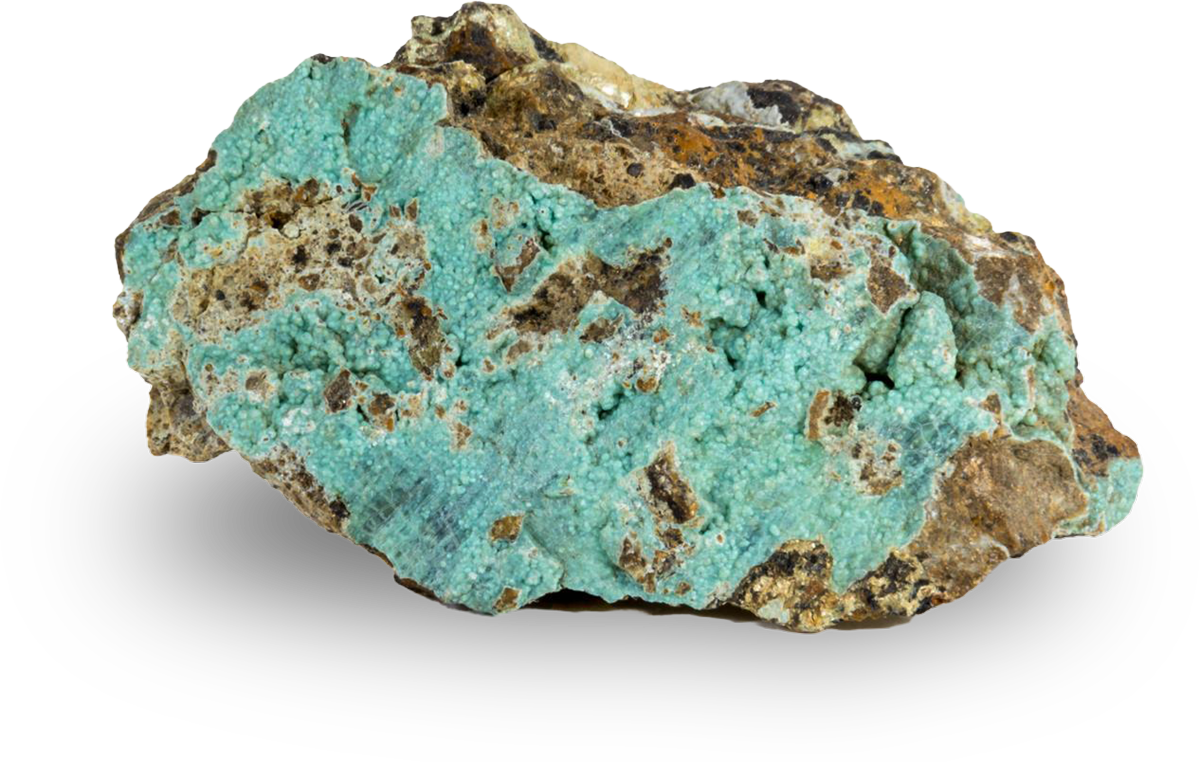
Long before humans learned to smelt ore, they hammered native copper into tools and ornaments, making it humanity's first worked metal.
The Romans knew it as cuprum, from aes cyprium ("metal of Cyprus"), named after the Mediterranean island whose mines fuelled an empire.
Copper became the first metal to be deliberately smelted and the first to be alloyed, combined with tin to create bronze. In doing so, it launched civilization into a new age that still bears its name.
Ancient smiths discovered that this red metal could be endlessly reborn: melted, mixed, and transformed into alloys harder and more versatile than the sum of their parts. Its natural conductivity, malleability, and corrosion resistance made it invaluable not only for tools and weapons but also for decorative and architectural uses.
That transformative power endures in the modern era. Even in trace amounts, typically just 1-2%, copper radically improves high-performance super-alloys such as Ferralium® 255, Incoloy® 825, and 254 SMO.
It enhances resistance to aggressive chemicals such as sulfuric acid, inhibits marine biofouling, and boosts performance in challenging reducing environments. Copper's subtle presence stabilises the microstructure, improves corrosion resistance, and helps maintain strength under demanding conditions.
From Neolithic cold-hammered axes to the corrosion-resistant superalloys used in offshore platforms, industrial chemical plants, and advanced engineering applications, copper's unique combination of properties has quietly driven innovation for over 10,000 years. Its enduring influence demonstrates how a single, ancient metal continues to shape the materials that underpin modern engineering and technology.
Nitrogen - Not a Metal, But the Secret Superhero

In 1772, Scottish physician Daniel Rutherford isolated a "noxious air" that snuffed out flames and suffocated mice.
He called it "phlogisticated air," a term that reflected the scientific understanding of the time. Later, this gas became known as nitrogen, derived from the Greek nitron genes, meaning "nitre-forming."
Although colourless and inert, nitrogen constitutes 78% of the atmosphere surrounding us, yet for more than two centuries metallurgists viewed it as a contaminant to be removed from molten steel at all costs. Its presence was considered a threat to the quality and workability of the metal.
Everything changed in the 1980s when researchers discovered that nitrogen could be deliberately dissolved into austenitic and duplex stainless steels under carefully controlled pressure, typically in the range of 0.1 to 0.4% by weight. The results were transformative. Nitrogen acts as a "free alloying" element, stabilising the austenitic structure as effectively as nickel. It can increase the yield strength of steel by 50 to 100% while also significantly enhancing resistance to localized pitting and crevice corrosion in chloride-rich environments.
The advantages of nitrogen extend beyond performance. Unlike costly alloying elements such as nickel or molybdenum, nitrogen is virtually free, drawn directly from the air we breathe.
What was once considered an enemy of steel became one of its most efficient and economical strengthening agents. Today, nitrogen quietly underpins the high-performance properties of modern stainless steels, demonstrating how a simple, abundant element can revolutionise engineering materials.
Tungsten - Wolf’s Foam

Sixteenth-century tin miners in Saxony despised a heavy mineral that devoured their tin during smelting and produced only useless slag.
They said a wolf (German Wolf) had fouled it with foam (Rahm), and the mineral became known as wolframite. Its stubborn resistance to processing frustrated generations of miners, yet its unusual weight and properties hinted at a hidden potential.
In 1781, Carl Wilhelm Scheele discovered a new heavy acid in "tung sten" (Swedish for "heavy stone"), and two years later the Spanish Elhuyar brothers successfully isolated the metal. In tribute to the miners who first recognised it, they named it wolfram, a term still used in most languages today and reflected in the chemical symbol W.
Early chemists were fascinated by its density, strength and remarkable resistance to heat, even though working with it remained extremely challenging.
Tungsten has the highest melting point of any metal, making it indispensable in extreme environments. In modern alloys, its properties are harnessed in a wide range of applications. Even in super-duplex stainless steels such as S32760, tungsten contributes to corrosion resistance in hot, acidic chloride conditions, enhancing the durability and performance of the material.
Its density, hardness and stability continue to make it vital across industries, from heavy engineering and aerospace to chemical processing and specialised tooling.

Aluminium - From Alum

The Romans used alum, a double sulfate, for dyeing fabrics, fireproofing and medicine, never suspecting that a lightweight metal lay hidden within.
In 1808 Humphry Davy proposed the name "alumium", which he revised to "aluminum" in 1812, and in 1825 Hans Christian Ørsted succeeded in producing tiny, impure beads of the metal.
Early chemists were captivated by its silvery sheen, low density and remarkable resistance to corrosion, yet it remained difficult to extract in significant quantities for many decades. Despite these challenges, curiosity and experimentation gradually revealed the metal's potential.
Today, aluminium quietly strengthens modern engineering alloys in ways the early pioneers could scarcely have imagined. In nickel-copper Alloy K500 and in precipitation-hardened grades such as 718, 925 and 725, it interacts with nickel to form microscopic strengthening particles during heat treatment.
These tiny structures deliver extraordinary strength, corrosion resistance and fatigue performance, even under extreme temperatures and demanding conditions.
Aluminium's influence extends beyond these high-performance alloys. It is a key component in lightweight structural materials, aerospace components, automotive applications and marine engineering, where its combination of strength, durability and low weight continues to provide critical advantages.
From ancient alum to cutting-edge engineering alloys, aluminium has quietly shaped the way we build, innovate and design, proving that a humble element can have an enduring impact on human progress.
Titanium - Sons of Earth
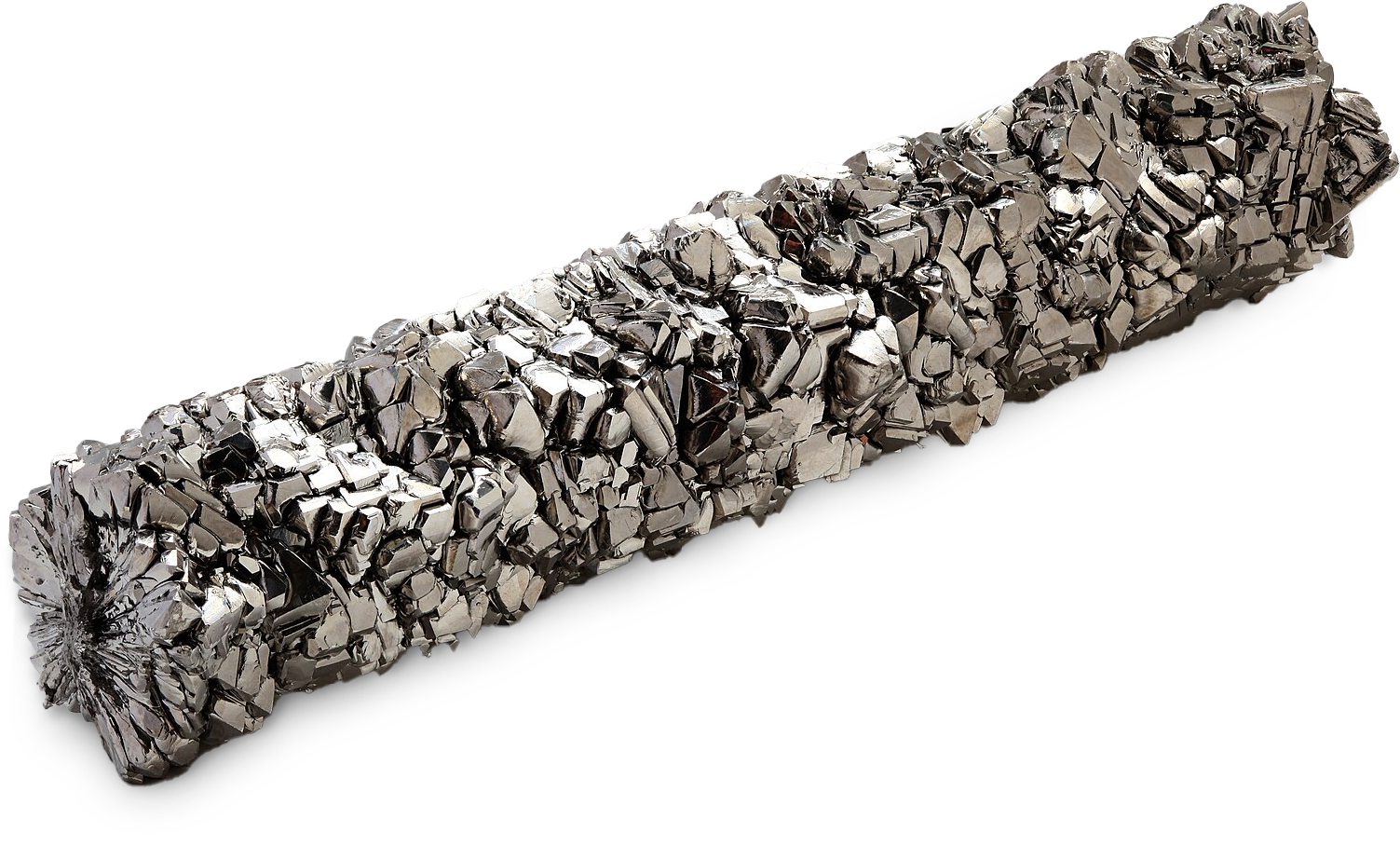
In 1791, Cornish clergyman William Gregor discovered magnetic black sand containing a previously unknown metal.
Four years later, in 1795, Martin Klaproth independently identified the same element in Hungarian rutile ore. Klaproth named it titanium after the Titans, the mighty pre-Olympian Earth giants of Greek mythology, reflecting the metal's remarkable combination of strength and lightness.
Early chemists were immediately fascinated by its unusual properties. Its low density, impressive strength-to-weight ratio, and remarkable corrosion resistance marked it as a metal of great potential, even as producing pure titanium remained a complex and expensive challenge for decades.
Today, titanium quietly enhances the performance of many modern alloys. It is deliberately added to numerous age-hardenable nickel alloys such as 718, 725, K500, and 925, and to selected stainless steels, where it either forms hardening precipitates or refines the grain structure. These effects result in exceptional toughness, improved resistance to stress-corrosion cracking, and reliable mechanical performance, even under the most demanding industrial, chemical, and aerospace conditions.
Beyond its technical benefits, titanium's unique combination of strength, lightness, and corrosion resistance makes it an enduring metal in engineering. Its influence extends from critical aerospace components and power-generation equipment to advanced chemical processing alloys, proving that a metal once discovered in humble sand can quietly underpin some of the most sophisticated technologies in the modern world.

Niobium - Daughter of Tantalus
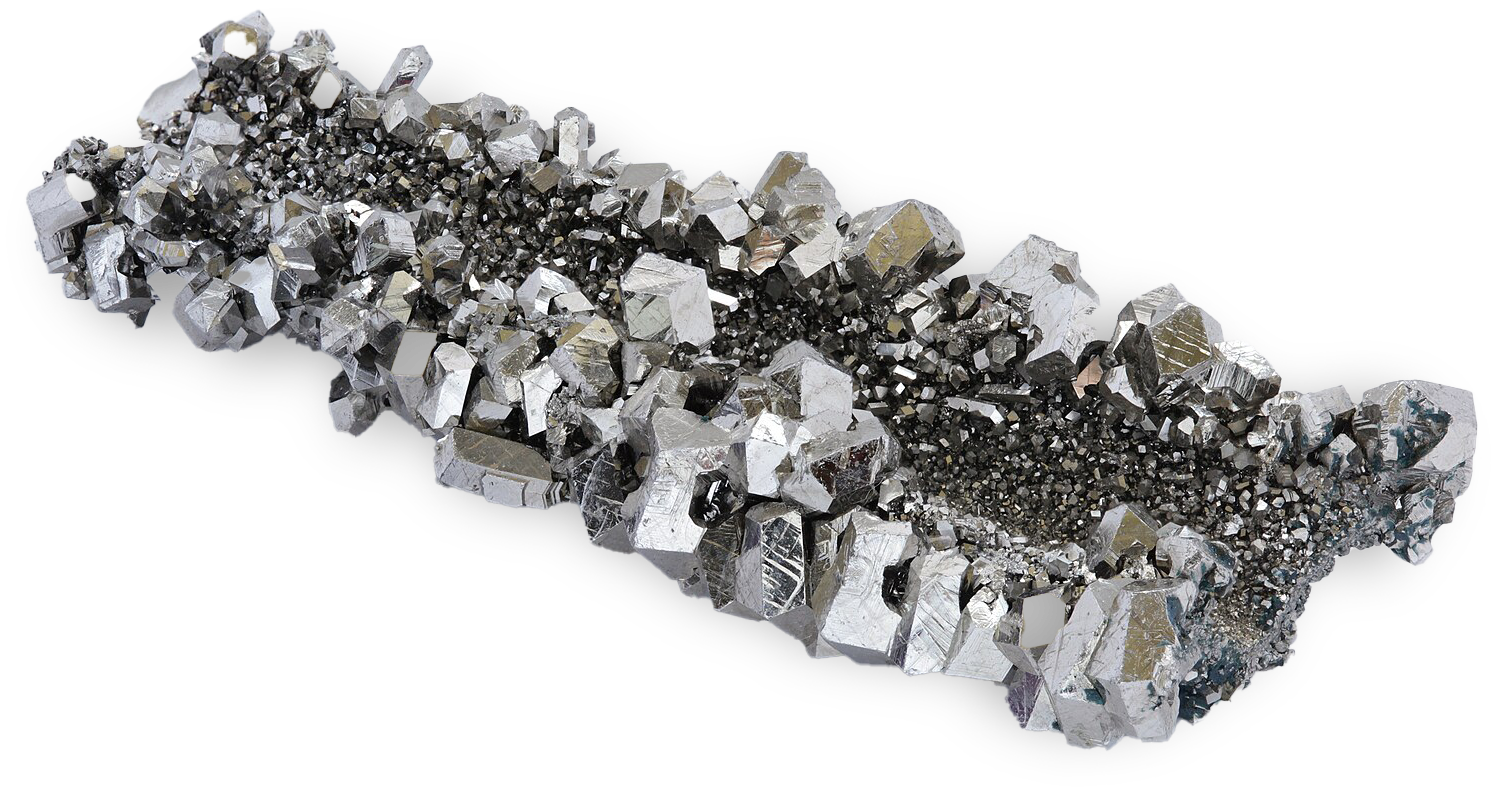
In 1801, English chemist Charles Hatchett discovered a new element in an American mineral and named it columbium.
Over forty years later, Heinrich Rose independently rediscovered the same element alongside tantalum and renamed it niobium, after Niobe, the weeping daughter of the mythical Tantalus, because the two elements are almost inseparable in nature.
Early chemists were captivated by niobium's subtle differences from tantalum and its remarkable resistance to corrosion and high temperatures. Despite its elusive behaviour in ores, they recognised that this lightweight, yet strong, metal could play a significant role in metallurgical applications.
Today, niobium quietly strengthens many modern alloys, performing essential roles that are often invisible to the end user. Even tiny additions prevent carbide precipitation and sensitisation in stainless steel welds, preserving corrosion resistance and structural integrity.
In age-hardenable nickel alloys such as Inconel 718, 625 and 725, niobium forms the primary strengthening phase, allowing these materials to retain exceptional strength at temperatures above 650°C. This combination of high-temperature performance, stability, and corrosion resistance makes niobium indispensable in critical applications, including jet engines, oilfield equipment, chemical processing plants, and other high-temperature environments where reliability and consistent performance are paramount.
Its quiet but vital contribution underpins some of the most demanding engineering challenges in modern industry.
Manganese - Magnesia’s Metal
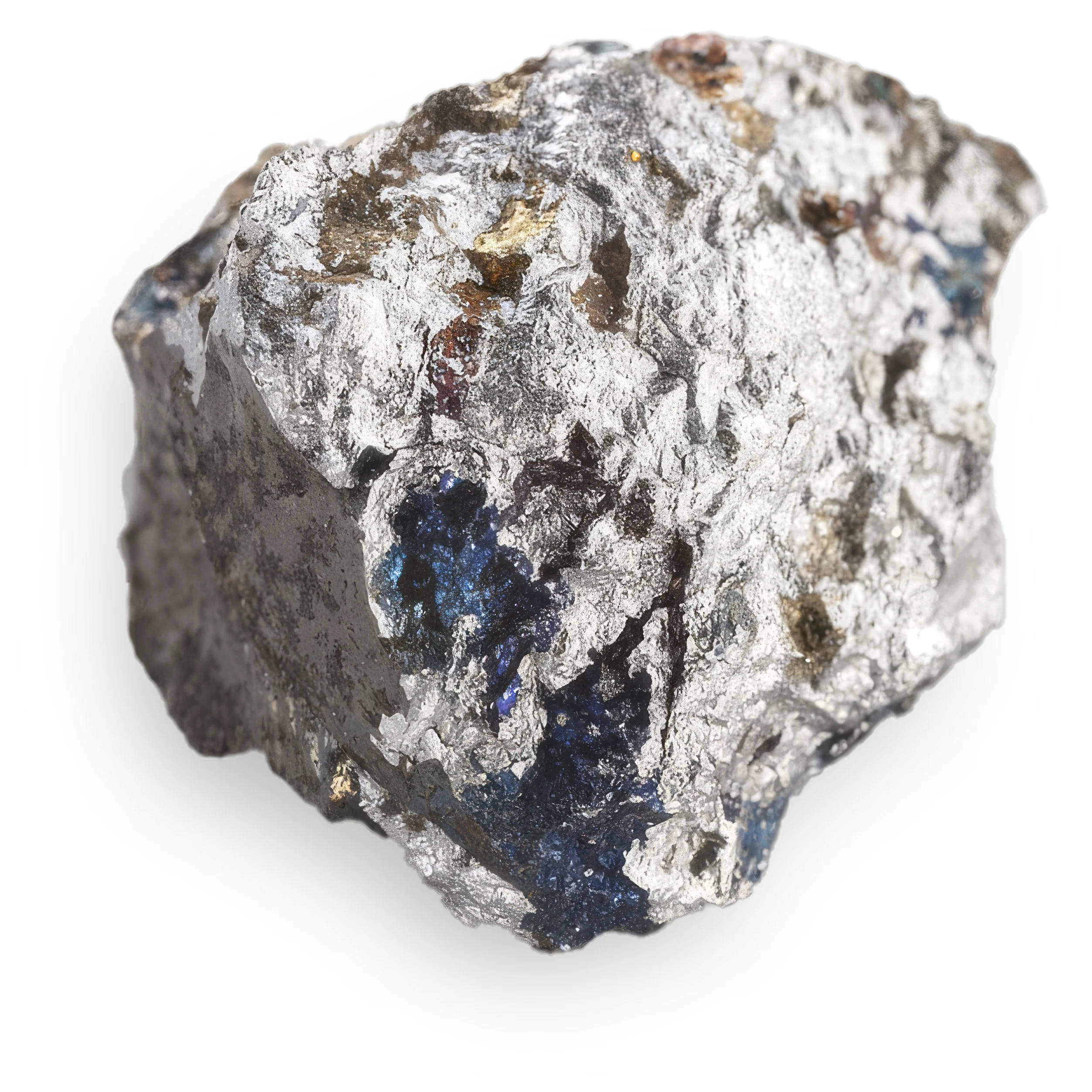
Ancient Spartans observed that magnesia negra, or black magnesian earth, from Magnesia in Greece made their iron harder and more durable.
Over time, the name manganese evolved through Italian and French from that original "magnesia," preserving the connection to its early metallurgical significance.
Early blacksmiths recognised its subtle yet powerful effects on iron, even though the chemistry behind them remained a mystery. Its presence helped create stronger, more resilient tools and weapons, quietly shaping the technological capabilities of ancient societies.
Today, manganese continues to play a vital but often overlooked role in modern alloys. It acts as a scavenger for harmful sulphur, stabilises austenite almost as effectively as nickel but at a fraction of the cost, and, in high-nitrogen alloys such as Fermonic® 50, 60, dramatically increases nitrogen solubility.
These contributions allow engineers to achieve extraordinary combinations of strength, corrosion resistance, and durability without relying on expensive alloying elements. Manganese's unique capacity to enhance both structural integrity and chemical performance makes it an unsung hero of metallurgy, bridging the gap between historical ironworking and the sophisticated high-performance alloys that underpin modern engineering.
Vanadium - Vanadís, Goddess of Beauty
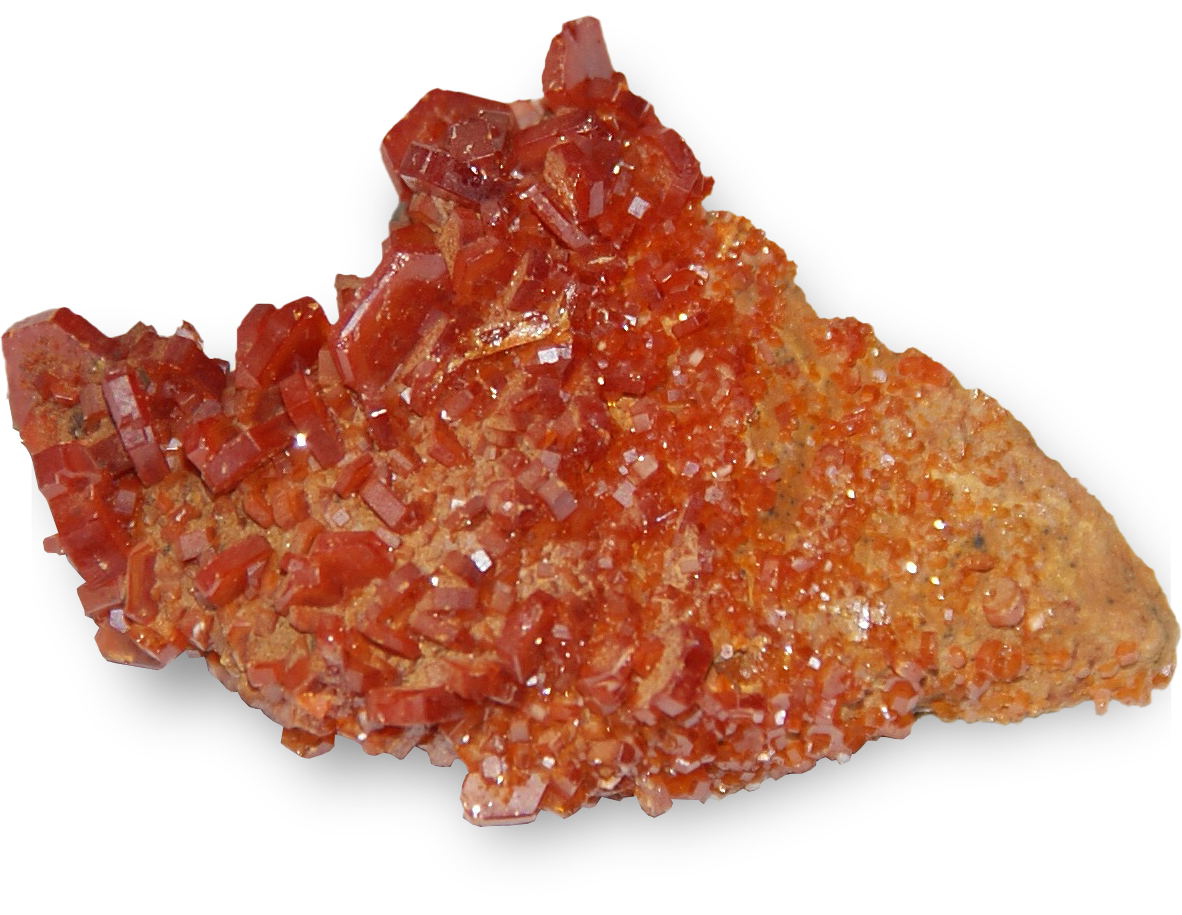
In 1801, Spanish-born mineralogist Andrés Manuel del Río discovered a colourful element in lead ore and named it erythronium, yet he was persuaded that it was merely impure chromium.
Nearly three decades later, in 1830, Swedish chemist Nils Gabriel Sefström independently rediscovered the element and gave it the name vanadium, after Vanadís, one of the epithets of the Norse goddess Freyja.
This name reflected the element's remarkable ability to display vivid colour changes in its compounds, ranging from yellow to green, blue and red. Early chemists were captivated not only by its striking visual appeal but also by its subtle effects when incorporated into metals, recognising that even small additions could transform mechanical properties.
Today, vanadium quietly strengthens modern alloys, often without drawing attention to its presence. It refines grain structure, improves toughness, and is deliberately added to high-strength low-alloy steels, tool steels, and corrosion-resistant grades such as Fermonic® 50 and supermartensitic 13Cr types.
These enhancements allow metals to combine exceptional strength, durability, and reliability, even in demanding industrial and engineering applications. Vanadium's enduring influence is evident across sectors ranging from construction and energy to chemical processing, where its contributions to structural performance and longevity are essential yet often unseen.
Silicon - Flint

The name comes from the Latin silex, meaning flint, the rock that prehistoric humans used to spark fire.
Silicon is the second most abundant element in the Earth's crust after oxygen, and its abundance extends far beyond our planet: it ranks as the universe's eighth most abundant element, at approximately 650 parts per million.
Early metallurgists quickly recognised its power in steelmaking. Silicon acts as a deoxidiser, removing bubbles and inclusions to produce stronger, cleaner metals.
Deliberately raised levels of silicon, typically four to six per cent, in alloys such as Hidurel® 5 and certain austenitic stainless steels, provide outstanding resistance to hot, oxidising acids such as sulphuric and nitric. Silicon also improves castability, scaling resistance at high temperatures, and enhances overall structural integrity. Its benefits extend beyond performance in acids; it stabilises microstructures and contributes to toughness in high-temperature or corrosive environments.
From its role in early fire-starting to its incorporation into modern marine alloys and chemical processing steels, silicon remains a quiet but essential contributor to durable, high-performance metals, proving that one of Earth's most abundant elements can still quietly transform the materials that underpin modern engineering.
Tin - The Screaming Metal

Tin has been known since ancient times, prized not just for its shine but for its uncanny personality.
Bend a bar of pure tin and it emits an eerie, crackling sound called the "tin cry," caused by tiny crystals inside the metal shifting and snapping. To early miners working in dark, flooded tunnels it must have seemed alive or even cursed. The Romans called it stannum (hence Sn), while Cornish miners in southwest England guarded the secrets of the "Cassiterides," the Tin Islands that supplied the Mediterranean with this precious metal for centuries.
A little tin goes a long way. Mixed with copper it gave birth to bronze, humanity's first engineered alloy, transforming soft, fragile copper into swords, ploughs and chariot fittings, kickstarting the Bronze Age. Its rarity made it the focus of trade, fortunes and even wars, from Cornwall to Brittany, Spain and beyond.
Today, tin continues to quietly shape modern life. It plates steel cans to prevent corrosion, forms the low-melting solder that binds electronics together, and strengthens low-friction alloys like Babbitt metal.
Alongside tin-based alloys, specialist copper alloys like Hidurel® provide corrosion resistance, strength and reliability where demanding applications require them.
And yet, if you bend a pure ingot just right, that ancient, ghostly cry still echoes, a reminder that this soft, silvery metal has quietly shaped human civilisation for thousands of years.
Molybdenum - The Lead-Like
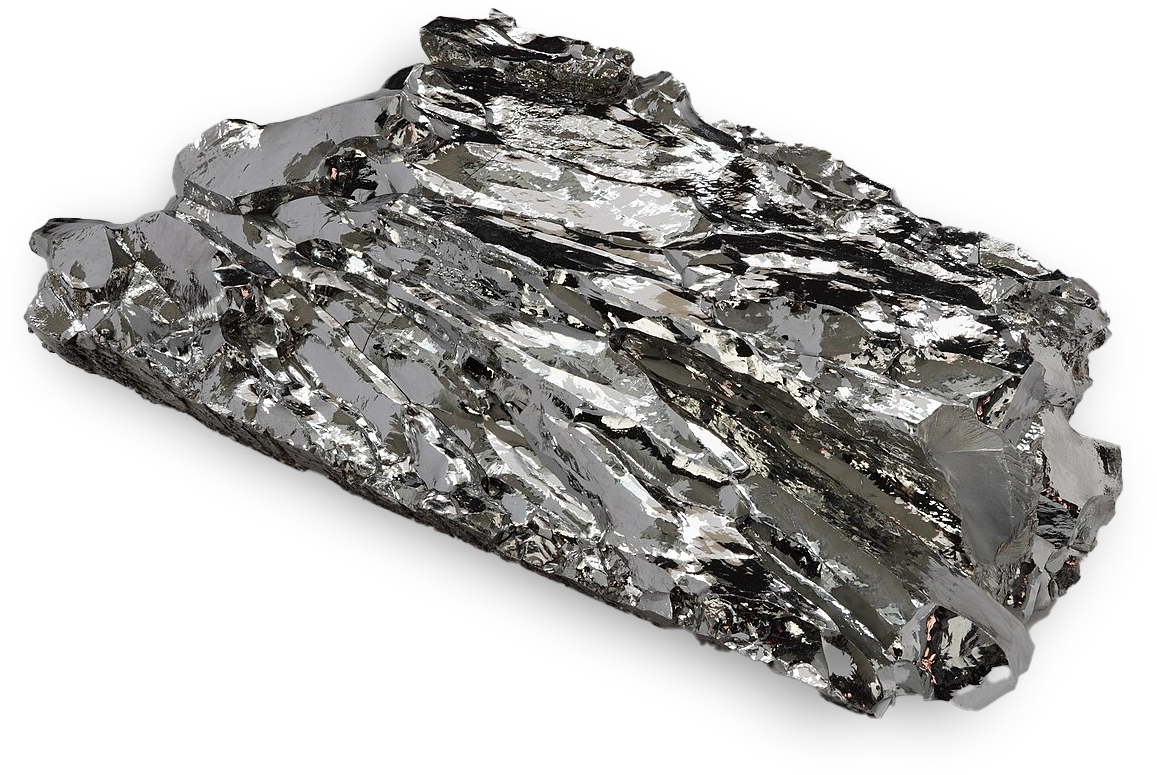
For centuries, soft, shiny molybdenite was mistaken for both lead ore and graphite.
The Greeks called all three molybdos, meaning "lead-like," a name that hints at the mineral's elusive identity.
It was not until 1778 that Carl Wilhelm Scheele distinguished molybdic acid, and a few years later, in 1781, Peter Jacob Hjelm successfully isolated the metal itself. Early chemists were captivated by its silvery sheen, remarkable hardness, and high melting point, yet molybdenum remained a quiet hero in metallurgy for decades, often overshadowed by more familiar metals.
Even in small amounts, typically just two to six per cent, molybdenum can transform steel. It dramatically improves resistance to pitting and crevice corrosion in chloride-rich environments, which is why duplex, super-duplex, and many nickel alloys can endure seawater, sour oil wells, and chemical plants without catastrophic failure. Beyond corrosion resistance, molybdenum contributes to high-temperature strength, creep resistance, and overall toughness, enhancing the performance of critical industrial materials.
Today, molybdenum enhances the performance of key alloys, improving strength, durability and corrosion resistance. In copper alloys such as Hidurel® and in stainless, duplex and super duplex grades, it supports demanding environments from offshore platforms and marine engineering to chemical processing and power generation.
Its understated presence belies a profound impact on modern metallurgy, making it one of the unsung champions of engineered metals.
Request a quote
Tell us the grade, form and sizes.
Fast quotes from UK and US stock - bar, plate and pipe, cut and certified to spec.