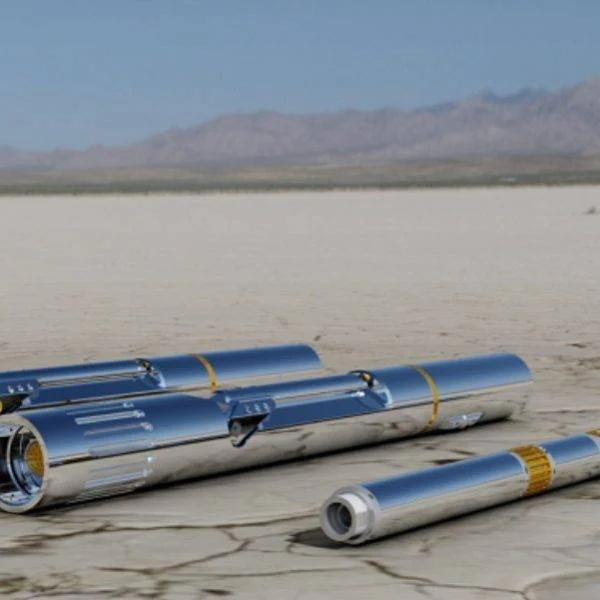
Avalon Sciences needed a heatsink material that could survive the extreme conditions inside downhole micro-seismic tools: continuous temperatures above 195°C, pressures of 25,000 psi (1,700 bar), and highly corrosive drilling muds combined with H2S/acid injection and brine. The combination of thermal conductivity, strength and corrosion resistance made Hiduron® 130 the material of choice.

The application
Avalon Sciences has designed and manufactured downhole micro-seismic measurement instrumentation for more than 20 years. Its products map subsurface layers by sending strings of tools down boreholes; these carry precision instrumentation such as geophones that listen for the micro-seismic activity associated with well operation and hydraulic fracturing.
The industry increasingly leaves these tools in place for extended periods to monitor micro-seismic activity long after drilling has ceased, driven by the regulatory environment for onshore drilling in Europe. With operating cycles running to weeks and a total tool system costing more than £1M, material selection is critical.
Why Hiduron® 130
Hiduron® 130 is used for the heatsink at the head of the tool, inside the pressure housing. The critical properties are:
- Excellent thermal conductivity, achievable only by copper and copper alloys
- High strength, to build rigid tools that withstand extreme pressures and protect sensitive instrumentation
- Excellent corrosion resistance, to survive the range of environments the tools face during extended operation